Why Common Faults Occur from Inferior Parts and How to Solve Them?

Time:2026-05-16 Author:Sienna
0%

In today's manufacturing landscape, inferior parts can lead to frequent malfunctions. These common faults often stem from poor quality and inadequate testing. The consequences can be costly, impacting both production time and financial resources. Understanding how to solve common faults caused by inferior parts is essential for maintaining operational efficiency.

Many companies face challenges with subpar components. Flaws may manifest as unexpected breakdowns or compromised performance. The implications include reduced customer satisfaction and increased repair costs. Identifying the root causes of these faults is vital. A robust analysis can reveal patterns and inform better purchasing decisions.

Investing in quality assurance measures can mitigate risks associated with inferior parts. It's crucial to develop supplier relationships based on transparency and reliability. Regular audits and thorough inspections can help in early detection of potential issues. Ultimately, improving component quality is a shared responsibility that involves continuous learning and adaptation.
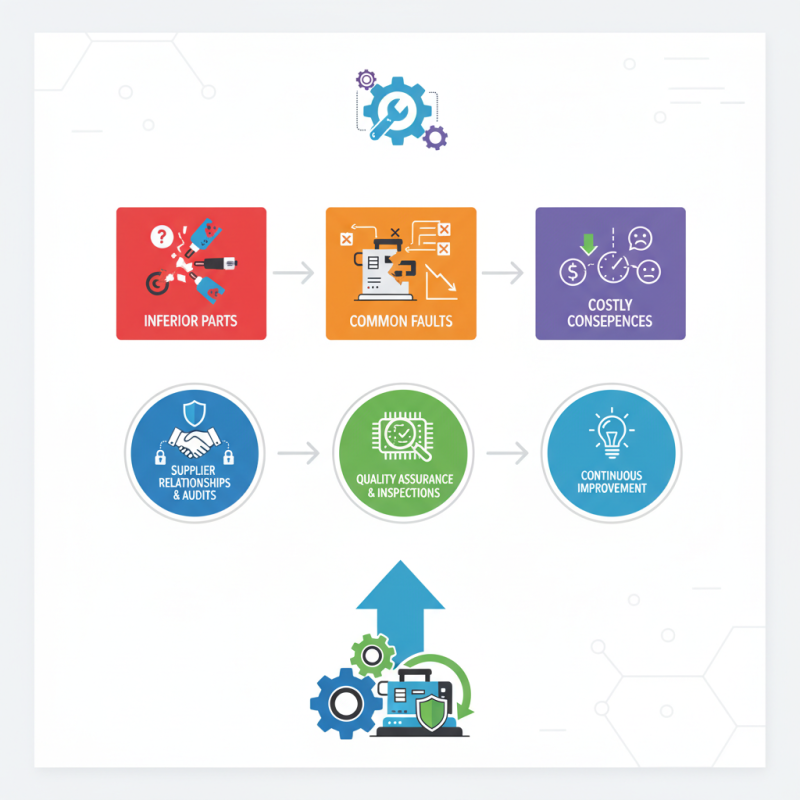
Why Common Faults Occur from Inferior Parts and How to Solve Them?

Common Causes of Faults in Inferior Parts

Inferior parts can lead to significant faults in various industries. Common causes include substandard materials, poor craftsmanship, and inadequate testing. According to industry reports, approximately 25% of manufacturing defects stem from low-quality components. This highlights the need to address the root causes of these faults effectively.

One major issue arises from the use of inadequate materials. For example, inferior metals can weaken structures, leading to early failure. In a study by the Engineering Materials Association, over 30% of failures were linked to the choice of material. Moreover, the lack of thorough testing can allow defective parts to reach the market. Regular quality assessments are crucial to minimizing these risks.

Tips: Always source materials from reputable suppliers. Conduct rigorous testing at every production stage. Implementing these practices reduces the chances of faults arising from inferior parts. Addressing craftsmanship issues is also vital. Labor training can enhance skills and ensure greater attention to detail. In many cases, overlooked practices result in significant production problems.

The Impact of Material Quality on Product Performance

The quality of materials directly impacts product performance. Inferior parts can lead to common faults, reducing efficiency and lifespan. Think about a simple gadget. If made from subpar plastic, it might crack easily. This is not just a minor issue; it affects customer trust and brand loyalty.

When manufacturers prioritize cost over quality, problems arise. Cheaper materials often lack durability. For instance, a low-grade metal might rust quickly, compromising safety. Product recalls can result from using inferior components. This not only burdens the budget but also damages reputation.

Awareness of material quality is essential. Companies should invest in better materials to enhance reliability. Testing and quality control can help avoid costly mistakes. By focusing on high-quality components, the overall performance improves. This adjustment might require more resources upfront. However, it pays off in the long run, leading to satisfied customers and a stronger market presence.

Why Common Faults Occur from Inferior Parts and How to Solve Them? - The Impact of Material Quality on Product Performance

Fault Type Common Causes Impact on Performance Recommended Solutions
Cracks Low-quality raw materials Decreased structural integrity Use higher-quality materials and perform regular inspections
Corrosion Inferior coatings and finishes Reduced lifespan of the product Implement better surface treatments and protective coatings
Misalignment Poor manufacturing tolerances Operational inefficiencies Enhance manufacturing precision and quality control
Deformation Substandard material strength Altered functionality Select higher-grade materials and conduct stress testing
Breakage Inadequate material quality Complete loss of functionality Adopt rigorous material selection criteria and testing

Identifying Signs of Defective Components

Identifying signs of defective components is crucial for maintaining efficiency. A common fault is unexpected noise from machinery. This often indicates wear in the parts. Vibration that feels unusual can also be a warning sign. These may suggest that components are not functioning correctly.

Visual inspections are essential. Look for signs of corrosion or excessive wear. Discoloration on metal surfaces can hint at overheating. Cracks in plastic parts suggest stress or fatigue. Any fluid leaks can indicate a failing seal or gasket. These problems often arise from inferior materials or manufacturing errors.

Timely identification is key to prevention. Monitoring equipment performance regularly can highlight potential issues early. Consider implementing a thorough maintenance schedule. This approach can significantly reduce downtimes and repair costs. Reflecting on past failures can lead to improvements in part selection and inspection techniques. Prioritize quality when sourcing components to avoid future troubles.

Effective Strategies for Quality Control and Assurance

Quality control and assurance are critical in preventing common faults caused by inferior parts. Understanding the production process helps identify potential weaknesses. Investing time in training staff can enhance awareness of quality standards. Employees who know their role are less likely to overlook defects. Regular workshops and practical sessions cultivate a culture of quality. This culture creates accountability and encourages proactive problem-solving among team members.

Implementing effective testing and inspection procedures reduces the chances of using substandard components. Visual inspections, alongside advanced testing technologies, can catch faults early in the process. However, relying solely on these methods may lead to complacency. Feedback loops from customers are essential. Analyzing complaints helps identify recurring issues. It builds a clearer picture of where improvements are necessary. Continuous evaluation of production methods leads to better outcomes, but requires commitment to change.

Quality is a journey, not a destination. There's room for improvement at every stage. Recognizing the limitations in current practices ensures a mindset geared toward growth. Regular audits and reviews are vital. This keeps everyone on track and accountable. Even minor adjustments can yield significant benefits over time. A collective effort in quality control fosters an environment where excellence can thrive.

Best Practices for Selecting High-Quality Parts

Selecting high-quality parts is crucial for preventing common faults in manufacturing processes. A recent industry report revealed that around 50% of production failures stem from inferior components. This statistic highlights the importance of sourcing reliable materials. High-quality parts often lead to improved operational efficiency and reduced downtime, ensuring your products meet customer expectations.

When choosing parts, consider certifications and industry standards. Quality certifications like ISO 9001 can be indicators of a provider's reliability. Work with suppliers who can demonstrate compliance with these standards. Many expert evaluations suggest that companies that prioritize certified components can decrease their defect rates by 30% or more.

Additionally, testing and validation are essential in selecting parts. Inspections should be an integral part of your process. Advanced testing methods can reveal potential issues early, saving time and costs in the long run. Despite these best practices, many engineers still struggle with maintaining consistent quality. Regular reviews of supplier performance can help adjust procurement strategies over time, ensuring the continuous improvement of product quality.

Common Faults Occurring from Inferior Parts

FAQS

: Why does material quality matter for product performance?

: Material quality directly affects product efficiency and lifespan, preventing common faults and enhancing reliability.

What are signs of defective components?

Warning signs include unusual noise, vibrations, or visible wear. Cracks and discoloration can also indicate problems.

How can manufacturers choose high-quality parts?

Manufacturers should look for certifications and standards that indicate reliability. Compliance with industry norms is crucial.

What is the impact of cheaper materials?

Cheaper materials often lack durability and can rust or fail, leading to safety issues and product recalls.

How can regular inspections help?

Regular inspections can identify potential issues early, reducing downtime and repair costs. This is essential for efficient operation.

How can companies improve procurement strategies?

Regular reviews of supplier performance can enhance quality control and help refine procurement strategies over time.

What role does testing play in selecting parts?

Testing and validation reveal potential issues early. This saves time and costs, ensuring components meet quality standards.

How often should maintenance be scheduled?

A thorough maintenance schedule can significantly prevent mechanical failures. Regular monitoring of equipment is advisable.

What happens when quality is neglected?

Neglecting quality can lead to customer dissatisfaction and damage to reputation, impacting long-term business relationships.

Why is reflection on past failures important?

Reflecting on past mistakes can lead to improved part selection and better inspection techniques, enhancing future performance.

Conclusion

Inferior parts can lead to a variety of common faults that significantly impact product performance. The primary causes of these faults often stem from low-quality materials, which can lead to defects that become apparent through various signs such as unusual noises, decreased efficiency, or visible wear. Recognizing these indicators early is crucial for preventing further complications.

To address the issue of "how to solve common faults caused by inferior parts," companies should implement effective quality control and assurance strategies. This includes thorough testing and inspection of materials, as well as establishing best practices for selecting high-quality components. By prioritizing quality in the supply chain, businesses can mitigate risks and enhance overall product reliability, ultimately leading to better performance and customer satisfaction.

Sienna

Sienna

Sienna is a skilled marketing professional with a deep expertise in our company’s core products and services. With a passion for innovation and detail, she plays a pivotal role in crafting insightful blog posts that not only highlight the unique features of our offerings but also provide valuable......